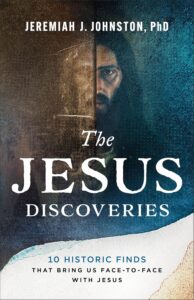
A Detailed Review of The Jesus Discoveries
In discussions about history, faith, and ancient texts, many readers search for reliable sources that connect historical evidence with religious tradition. The Jesus Discoveries, written by New Testament scholar Jeremiah Johnston, explores this intersection by examining several archaeological discoveries that relate to the historical context of Christianity.
The book presents ten significant historical findings that the author believes shed light on the life, era, and cultural environment surrounding Jesus of Nazareth. Instead of approaching the topic purely from a theological perspective, Johnston focuses on artifacts, ancient manuscripts, and archaeological discoveries that have shaped scholarly conversations about the historical background of the Bible.
For readers interested in biblical history, archaeology, or the historical setting of early Christianity, the book offers an accessible overview of discoveries that have attracted attention from historians, theologians, and researchers.
A Focus on Historical Evidence
One of the central goals of The Jesus Discoveries is to explore how archaeological findings contribute to discussions about ancient history and the biblical narrative. The author addresses a common question raised in modern discussions: what historical or material evidence exists that relates to the people, places, and events described in the New Testament?
Johnston approaches this question by highlighting several discoveries that scholars often reference when studying the early Christian era. These discoveries include manuscripts, historical artifacts, and preserved documents that provide insights into the cultural and historical environment of the first century.
Rather than presenting archaeology as definitive proof of every religious claim, the book aims to show how historical evidence can illuminate the broader context in which early Christianity emerged.
Ten Discoveries That Shaped Historical Discussions
The structure of the book revolves around ten discoveries that the author considers particularly significant. Each chapter introduces a specific artifact, manuscript, or archaeological finding and then explores its historical background.
Among the discoveries discussed are well-known historical materials such as the Shroud of Turin, the Magdalen Papyrus, and the Dead Sea Scrolls.
These artifacts have long been subjects of scholarly debate and research. By presenting their historical context, the book introduces readers to the ongoing discussions surrounding ancient manuscripts, early Christian writings, and archaeological discoveries connected to biblical studies.
Each chapter focuses on explaining what the discovery is, how it was found, and why historians and scholars consider it important for understanding the ancient world.
Bridging Faith and History
A key theme throughout the book is the relationship between faith and historical inquiry. Many people approach religious topics from different perspectives: some look primarily for spiritual meaning, while others focus on historical documentation.
Johnston attempts to bridge these perspectives by presenting historical discoveries alongside reflections about their significance for Christian belief. The book encourages readers to consider how archaeological findings contribute to conversations about the past.
This approach may appeal to readers who enjoy exploring how historical research interacts with religious tradition. By examining artifacts and manuscripts, the author seeks to demonstrate that discussions about the life and era of Jesus are part of a larger historical investigation rather than purely abstract debate.
An Accessible Introduction to Biblical Archaeology
While the subject of archaeology can sometimes appear technical or academic, the book is written in a style designed for a broad audience. Johnston explains discoveries and historical details in a clear, conversational manner, making the material easier to follow for readers who may not have a background in biblical studies.
Each chapter focuses on a specific discovery and presents its story in a narrative format. This structure allows readers to move through the book at a comfortable pace while learning about different artifacts and historical documents.
The writing style balances historical explanation with personal reflection, creating a reading experience that feels informative without becoming overly technical.
Exploring Manuscripts and Ancient Texts
One of the most interesting aspects of the book is its discussion of ancient manuscripts. Historical documents such as early gospel fragments and Jewish writings offer valuable insight into the intellectual and religious environment of the ancient Near East.
For example, the Dead Sea Scrolls have played a major role in helping scholars understand the development of Jewish and early Christian traditions. These manuscripts include biblical texts as well as other writings that reveal the beliefs and practices of communities living during the centuries surrounding the time of Jesus.
Similarly, early fragments of New Testament writings—such as the Magdalen Papyrus—have attracted scholarly attention because they provide insight into how the gospel texts were transmitted in the early centuries of Christianity.
By discussing these manuscripts, the book introduces readers to the fascinating world of textual history and preservation.
Archaeology as a Window into the Past
Archaeological discoveries often reveal information about ancient cities, daily life, and cultural traditions. Even when artifacts do not directly reference specific individuals, they can still help historians reconstruct the environment in which historical figures lived.
The book emphasizes that archaeological findings—such as inscriptions, relics, and ancient writings—serve as pieces of a larger historical puzzle. Each discovery contributes another layer of understanding about the social, political, and religious landscape of the first century.
For readers interested in history, this perspective highlights the importance of archaeology in shaping our knowledge of the ancient world.
Themes of Curiosity and Exploration
Beyond its focus on artifacts, The Jesus Discoveries encourages readers to approach historical questions with curiosity. The author suggests that exploring the past can deepen appreciation for the cultural and historical context in which religious traditions developed.
This emphasis on investigation reflects a broader theme throughout the book: the idea that learning about history can strengthen one’s understanding of both ancient civilizations and modern belief systems.
By examining discoveries from archaeology and manuscript research, readers gain insight into the complex world in which early Christianity emerged.
Who This Book May Appeal To
The Jesus Discoveries may be particularly interesting for readers who enjoy exploring the intersection of history, archaeology, and religion.
Individuals interested in biblical history, ancient manuscripts, or the historical background of the New Testament may find the book informative and engaging. It also serves as an introductory overview for readers who want to learn more about archaeological discoveries related to early Christian history.
Because the writing style is accessible and narrative-driven, the book can appeal to both general readers and those with a deeper interest in historical research.
Final Thoughts
The Jesus Discoveries offers an engaging look at several archaeological findings that have influenced conversations about the historical setting of Christianity. By exploring artifacts, manuscripts, and ancient discoveries, the book provides readers with a broader understanding of the historical context surrounding the life and era of Jesus.