A Thoughtful Review of The Rainbow Fish – A Classic Story About Sharing and Friendship
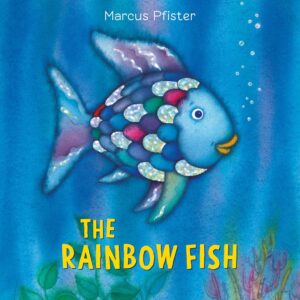
Children’s books often leave lasting impressions that shape how young readers understand friendship, kindness, and community. Few stories have achieved the same level of recognition and enduring appeal as The Rainbow Fish by Marcus Pfister. First introduced to readers in the early 1990s, this beloved picture book has become a staple in classrooms, libraries, and homes around the world. The board book edition designed for very young readers brings the magic of this classic story to toddlers and preschoolers in a durable and visually captivating format.
At its heart, The Rainbow Fish is a simple yet meaningful tale about generosity, friendship, and the importance of sharing. Through colorful illustrations and a gentle narrative, the story invites young readers to explore the value of kindness while enjoying a visually engaging underwater world.
A Simple Story with a Meaningful Lesson
The story centers around a beautiful fish who lives in the deep blue sea. Known for his dazzling scales that shimmer with rainbow colors, the Rainbow Fish quickly stands out among the other fish in the ocean. His unique appearance makes him admired by everyone around him, yet despite the attention he receives, he struggles to form real friendships.
When other fish ask if they can have one of his shining scales, the Rainbow Fish refuses. His reluctance to share isolates him from the rest of the underwater community. As the story progresses, he begins to realize that admiration alone cannot replace genuine friendship.
The turning point comes when he receives guidance that encourages him to reconsider his attitude toward sharing. By offering one of his precious scales to another fish, he discovers something unexpected: giving a small part of what he values most creates a stronger sense of connection and belonging.
This transformation forms the emotional core of the story. Through a simple narrative structure, the book introduces young readers to the idea that generosity can bring happiness not only to others but also to oneself.
A Visually Memorable Reading Experience
One of the most distinctive aspects of The Rainbow Fish is its artistic presentation. The illustrations are vibrant and colorful, capturing the beauty of underwater life with soft textures and rich tones. Coral reefs, ocean plants, and schools of fish create a peaceful aquatic environment that invites readers into the story.
The signature element of the book is the reflective foil stamping used to create the Rainbow Fish’s shimmering scales. These shiny details appear on every page, catching the light and adding a sense of wonder for children. Young readers are naturally drawn to the sparkling effect, which helps keep their attention and makes the reading experience more interactive.
In the board book edition, these visual elements are preserved while the pages are made thicker and sturdier. This format is particularly suitable for toddlers who may still be developing careful page-turning skills. The durability of the book allows it to withstand repeated reading sessions, which is often the case with favorite children’s stories.
Designed for Young Readers
The board book format ensures that even the youngest readers can enjoy the story comfortably. Short sentences and simple language make the text easy to follow during read-aloud sessions. Parents, caregivers, and teachers can use the story as a gentle introduction to early storytelling while also encouraging children to talk about the characters and their choices.
Because the narrative is straightforward and focused, children can quickly grasp the emotional progression of the story. They see how the Rainbow Fish begins as someone who values his appearance above everything else, but eventually learns that sharing and kindness are more rewarding.
This clarity helps young readers understand the message without feeling overwhelmed by complex plot elements or large amounts of text.
The Timeless Theme of Sharing
One reason The Rainbow Fish continues to resonate with families and educators is its universal theme. Sharing is one of the first social skills children encounter in early childhood. Whether in playgroups, classrooms, or family environments, learning to share can be both challenging and important.
The story provides a gentle way to start conversations about this topic. Rather than presenting sharing as a strict rule, the book illustrates how generosity can lead to positive relationships and emotional satisfaction.
Children may see themselves reflected in the Rainbow Fish’s initial hesitation. Many young readers can relate to the feeling of wanting to keep something special just for themselves. By watching the character grow and discover the joy of giving, they gain a new perspective on the benefits of kindness.
A Story That Encourages Discussion
Another strength of the book is how easily it opens the door for discussion between adults and children. After reading the story, caregivers can ask simple questions such as:
- Why did the other fish want one of the Rainbow Fish’s scales?
- How did the Rainbow Fish feel when he had no friends?
- What changed when he decided to share?
These conversations help children practice empathy and emotional awareness while reinforcing the story’s message in a supportive way.
Teachers often use the book as part of classroom activities focused on cooperation and kindness. Art projects inspired by the shimmering scales or group discussions about friendship can extend the learning experience beyond the pages of the book.
Writing Style and Narrative Tone
Marcus Pfister writes with a calm and reassuring tone that suits young audiences. The pacing of the story moves smoothly from introduction to resolution, allowing children to easily follow the character’s emotional journey.
The author’s choice of simple yet expressive language ensures that the message remains accessible. Even though the story is brief, it manages to communicate a meaningful idea without feeling rushed or overly simplified.
The balance between text and illustrations also plays a key role. The artwork does much of the storytelling, allowing children to interpret facial expressions, colors, and movements within the underwater setting.
Why This Book Remains Popular
Decades after its original release, The Rainbow Fish continues to appear in recommended reading lists for young children. Its combination of engaging visuals, simple storytelling, and a positive moral message has helped it maintain a lasting presence in children’s literature.
Parents often appreciate books that provide both entertainment and gentle life lessons. In this case, the story offers an enjoyable reading experience while subtly encouraging generosity and kindness.
Because the board book edition is designed specifically for younger readers, it serves as an excellent introduction to books for toddlers who are just beginning their reading journey.
Final Thoughts
Overall, The Rainbow Fish is a charming and visually captivating children’s book that continues to delight new generations of readers. Through colorful illustrations and a heartfelt story, Marcus Pfister presents a timeless lesson about sharing and friendship.