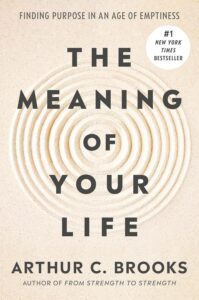
A Thoughtful Review of The Meaning of Your Life: Finding Purpose in an Age of Emptiness
In recent years, many people have begun to question what truly gives life meaning. Rapid technological change, social pressures, and the constant pace of modern life often leave individuals feeling disconnected from a deeper sense of purpose. In The Meaning of Your Life: Finding Purpose in an Age of Emptiness, social scientist and author Arthur C. Brooks explores why this sense of emptiness has become increasingly common and how individuals can rediscover a meaningful direction in their lives.
This book blends insights from psychology, philosophy, and social science to examine the question that has challenged humanity for centuries: What gives life real purpose? Rather than offering a simple formula or motivational slogans, Brooks presents a structured approach that encourages readers to reflect on their values, relationships, and long-term aspirations.
The result is a thoughtful and practical exploration of meaning that aims to help readers develop a deeper understanding of themselves and the world around them.
Understanding the Modern Crisis of Meaning
One of the central ideas in the book is that many people today struggle with a sense of meaning not because they lack opportunities or achievements, but because the structure of modern life can make purpose harder to recognize.
According to Arthur C. Brooks, rapid changes in technology, work culture, and social interaction have reshaped how individuals experience fulfillment. While modern conveniences and innovations have improved many aspects of daily life, they have also created environments where distractions and constant stimulation can reduce opportunities for reflection.
The book argues that when individuals become overly focused on productivity, status, or short-term satisfaction, deeper questions about purpose may remain unanswered. This imbalance can lead to feelings of emptiness even among people who appear successful from the outside.
By examining these cultural trends, Brooks encourages readers to step back and consider how external influences may shape their sense of meaning.
A Scientific Approach to Purpose
One aspect that distinguishes this book from many other self-development titles is its reliance on research and evidence-based insights. As a social scientist, Brooks draws on studies from psychology, behavioral economics, and neuroscience to explain how people experience happiness and fulfillment.
The book explores how the human brain processes meaning, relationships, and long-term goals. It suggests that purpose is not simply an abstract concept but something that can be cultivated through specific behaviors and habits.
Instead of presenting meaning as a mysterious or unattainable idea, Brooks frames it as something individuals can actively develop through intentional choices. This perspective helps readers see that purpose is not reserved for extraordinary achievements but can emerge through everyday actions and commitments.
The Role of Philosophy and Spiritual Tradition
While the book relies heavily on scientific research, it also incorporates insights from philosophy and spiritual traditions. Throughout history, thinkers from various cultures have reflected on what makes life meaningful.
Arthur C. Brooks references ideas from classical philosophy as well as teachings found in global faith traditions. These perspectives emphasize themes such as service to others, self-reflection, and the search for transcendence.
By connecting modern research with historical wisdom, the book demonstrates that the question of life’s meaning has long been a shared human concern. This blend of ancient and contemporary ideas creates a balanced framework that appeals to readers from different backgrounds and belief systems.
Importantly, the author does not insist on a single philosophical or religious viewpoint. Instead, he encourages readers to explore ideas that resonate with their own values and experiences.
Practical Strategies for Finding Purpose
Beyond exploring the theory of meaning, the book provides practical strategies designed to help readers move toward a more fulfilling life. These strategies are grounded in research but presented in an accessible and reflective manner.
Some of the key themes include:
1. Cultivating Self-Awareness
The journey toward meaning often begins with honest reflection. The book encourages readers to examine their motivations, priorities, and personal values. Understanding what truly matters can help individuals align their actions with their deeper goals.
2. Building Meaningful Relationships
Human connection plays a vital role in creating purpose. Strong relationships with family, friends, and communities often provide a sense of belonging and shared responsibility.
3. Seeking Purpose Beyond Achievement
Many people pursue success primarily through career achievements or material rewards. Brooks suggests that lasting meaning usually comes from contributing to something larger than oneself.
4. Embracing Reflection and Growth
Developing purpose is not a single decision but an ongoing process. The book encourages readers to remain open to learning and personal growth throughout their lives.
These ideas offer a framework that readers can adapt to their own circumstances and goals.
Writing Style and Accessibility
Despite addressing complex philosophical and scientific ideas, the book remains approachable and engaging. Arthur C. Brooks writes in a conversational style that avoids overly technical language.
Real-life examples and relatable scenarios help illustrate the concepts being discussed. Rather than presenting abstract theories, the author connects ideas to everyday experiences that many readers can recognize.
The structure of the book also contributes to its readability. Each section builds gradually on previous ideas, allowing readers to follow the argument step by step.
Why This Book Resonates With Modern Readers
The themes explored in The Meaning of Your Life reflect concerns that many people face today. In a world filled with constant information, career pressures, and social comparison, it is easy to lose sight of deeper questions about purpose.
The book resonates because it acknowledges these challenges while offering thoughtful guidance rather than simplistic answers. Readers are invited to reflect on their own lives and consider how they might create meaning through relationships, service, creativity, and personal growth.
By combining scientific insight with philosophical reflection, the book addresses both the intellectual and emotional aspects of the search for purpose.
Who Might Benefit From This Book
This book may be especially valuable for readers who are interested in:
- Personal development and self-reflection
- Psychology and happiness research
- Philosophy and the search for meaning
- Building a balanced and purposeful life
It can be useful for individuals at different stages of life, whether they are exploring career decisions, reevaluating priorities, or simply seeking a deeper understanding of fulfillment.
Final Thoughts
The Meaning of Your Life: Finding Purpose in an Age of Emptiness offers a thoughtful exploration of one of humanity’s most enduring questions. Through a combination of research, philosophy, and practical advice, Arthur C. Brooks presents a framework for understanding how purpose can be cultivated in a complex and rapidly changing world.