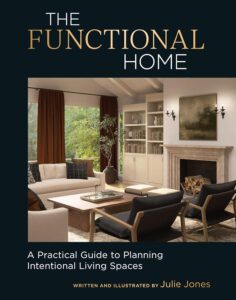
Designing with Purpose: A Thoughtful Review of The Functional Home
Creating a home that looks beautiful is one thing—designing a space that truly works for your everyday life is something else entirely. That’s where The Functional Home: A Practical Guide to Planning Intentional Living Spaces by Julie Jones sets itself apart. Rather than focusing purely on aesthetics or trends, this book dives into the often-overlooked mechanics of how a home functions on a daily basis.
Positioned as a practical guide, it aims to bridge the gap between professional interior design knowledge and real-world application for everyday homeowners. The result is a resource that feels both educational and empowering—especially for readers who want to improve their living spaces without hiring a designer.
First Impressions and Overall Approach
From the outset, The Functional Home makes its mission clear: to help readers design spaces that support how they actually live. Instead of showcasing picture-perfect interiors that feel unattainable, Julie Jones focuses on usability, comfort, and intentional planning.
The tone of the book is approachable and instructive without being overwhelming. It reads less like a formal design manual and more like a guided workshop, where concepts are explained step by step. This makes it particularly appealing to beginners or anyone who has felt unsure about how to start improving their home layout.
A Practical Foundation: Understanding Space
One of the book’s strongest sections introduces readers to what Jones refers to as the “language” of space. This concept goes beyond decoration and explores how people move, interact, and exist within a room.
Instead of simply telling you where to place furniture, the book explains why certain layouts work better than others. It emphasizes key principles such as:
- Flow and movement within a room
- Proper spacing and clearances
- The relationship between furniture scale and room size
- Visual balance and symmetry
This foundational knowledge is what elevates the book from a typical décor guide to a more functional design resource. By understanding these principles, readers can apply them to any room—regardless of style or budget.
Room-by-Room Guidance
Another standout feature of The Functional Home is its structured, room-by-room approach. Rather than offering general advice, the book breaks down design strategies for specific areas of the home.
Living Spaces
The guidance here focuses on creating layouts that encourage both comfort and conversation. Instead of defaulting to a TV-centered arrangement, Jones explores alternative setups that better support social interaction.
Kitchens and Bathrooms
These are often the most complex spaces to design, and the book handles them with clarity. It explains how to optimize workflow in kitchens and maximize efficiency in bathrooms, making these high-use areas more practical.
Bedrooms and Home Offices
Here, the emphasis shifts toward personalization and functionality. The book offers ideas for improving rest, productivity, and organization without sacrificing comfort.
This room-specific advice makes the content easy to navigate. Readers can jump directly to the areas they want to improve, making the book a useful reference rather than a one-time read.
Accessibility and Ease of Use
A major strength of this guide is how accessible it is. While it includes professional-level insights, the information is presented in a way that feels manageable.
You don’t need a background in design to understand the concepts. The explanations are clear, and the inclusion of illustrations (as described in the book) helps reinforce key ideas visually.
Additionally, the book provides practical tools such as:
- Tips for drawing floor plans to scale
- Guidance on measuring spaces accurately
- Techniques for testing layout ideas before committing
These elements make the book interactive, encouraging readers to actively engage with their own spaces rather than passively consuming information.
Focus on Real-Life Functionality
What truly sets The Functional Home apart is its emphasis on real-life use. Many design books prioritize appearance over practicality, but this one flips that approach.
Julie Jones encourages readers to think about:
- How family members move through a space
- Where clutter tends to accumulate
- Which areas feel cramped or underused
- How daily routines impact layout decisions
By addressing these factors, the book helps create spaces that feel intuitive and efficient. It’s not about achieving a showroom look—it’s about making your home easier and more enjoyable to live in.
Strengths of the Book
1. Practical, Actionable Advice
The book doesn’t just inspire—it provides clear steps that readers can follow to improve their homes immediately.
2. Beginner-Friendly Approach
Complex design concepts are broken down into simple, understandable ideas.
3. Versatility
The advice works for a variety of home sizes, styles, and budgets.
4. Focus on Function Over Trends
By prioritizing usability, the book remains relevant regardless of changing design trends.
Potential Considerations
While the book offers significant value, there are a few aspects to keep in mind:
- Less emphasis on décor trends: Readers looking for styling inspiration or trend-based design ideas may find the focus more technical than expected.
- Requires active participation: To get the most out of the book, readers need to apply the concepts to their own spaces, which may take time and effort.
- Limited advanced design theory: While comprehensive for most users, professional designers may find some sections more introductory than in-depth.
These points don’t detract from the book’s usefulness but help set realistic expectations for different types of readers.
Who This Book Is Best For
The Functional Home is especially well-suited for:
- Homeowners planning to redesign or reorganize their spaces
- Renters looking to maximize functionality without major renovations
- Beginners interested in learning the basics of interior design
- Families who want a home that supports daily routines more efficiently
It’s also a great choice for anyone who feels their home looks fine but doesn’t quite work the way it should.
Final Verdict
The Functional Home: A Practical Guide to Planning Intentional Living Spaces by Julie Jones delivers on its promise of helping readers design smarter, more intentional living spaces. It stands out by focusing on the practical side of design—how a home functions, not just how it looks.
View on Amazon