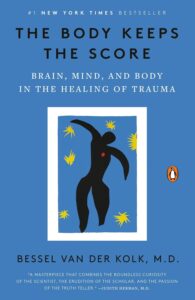
A Comprehensive Review of The Body Keeps the Score: Brain, Mind, and Body in the Healing of Trauma
Understanding trauma has long been one of the most complex challenges in psychology and medicine. For decades, researchers and clinicians have attempted to explain why traumatic experiences continue to affect individuals long after the events themselves have passed. In The Body Keeps the Score: Brain, Mind, and Body in the Healing of Trauma, psychiatrist and researcher Bessel van der Kolk presents an in-depth exploration of how trauma influences the brain, the body, and human relationships.
Since its publication, this book has become a widely discussed resource for readers interested in psychology, mental health, and the science of emotional recovery. Blending scientific research with clinical observations, the author offers insights into how traumatic stress develops and how healing may occur through a variety of therapeutic approaches. The result is a detailed and thought-provoking work that examines trauma not only as a psychological issue but also as a biological and social phenomenon.
Understanding Trauma as a Whole-Body Experience
One of the central arguments in the book is that trauma is not limited to memories or emotions. According to Bessel van der Kolk, traumatic experiences can fundamentally alter how the brain and body function. Instead of remaining confined to the past, trauma often continues to influence behavior, perception, and physical responses.
The author explains how the brain’s systems responsible for survival—particularly those linked to fear and stress—can become highly sensitive after traumatic events. As a result, individuals may experience intense reactions even when they are no longer in danger.
For example, certain sounds, environments, or interpersonal situations may trigger strong emotional or physical responses that seem disproportionate to the present moment. This phenomenon helps explain why trauma survivors sometimes struggle with anxiety, emotional regulation, or feelings of disconnection.
By framing trauma as a biological process as well as a psychological one, the book challenges older approaches that focused solely on talk therapy or cognitive explanation.
The Role of the Brain in Traumatic Memory
A significant portion of the book explores how trauma affects brain function. Drawing on research from neuroscience, the author describes how traumatic stress can disrupt the brain’s ability to integrate experiences into coherent memories.
Instead of being processed as ordinary memories, traumatic events may remain fragmented and emotionally charged. These memories can reappear through flashbacks, nightmares, or sudden emotional reactions.
The book also examines how certain brain regions—such as those responsible for emotional regulation and threat detection—may become overactive after trauma. At the same time, areas involved in rational decision-making and self-reflection may become less effective.
This imbalance can make it difficult for individuals to calm themselves during moments of stress or to fully trust that a threatening situation has passed.
Understanding these neurological patterns provides a framework for developing treatments that address both the mind and the body.
Trauma in Society and Everyday Life
Another important aspect of the book is its broader perspective on how trauma appears in society. The author discusses various sources of traumatic stress, including combat experiences, childhood abuse, domestic violence, and severe accidents.
Rather than focusing exclusively on extreme cases, the book highlights how trauma can emerge in many different forms. Family environments, social instability, and interpersonal conflicts may all contribute to experiences that leave lasting psychological effects.
This wider perspective encourages readers to think about trauma not only as an individual issue but also as a social one. Communities, relationships, and institutions play an important role in shaping both the causes of trauma and the opportunities for recovery.
Innovative Approaches to Healing
One of the most distinctive elements of The Body Keeps the Score is its exploration of alternative and emerging therapeutic approaches. Instead of presenting a single method for recovery, the author discusses a variety of strategies that have shown promise in helping trauma survivors regain a sense of stability and control.
Some of the approaches discussed include:
Mindfulness and Meditation:
Practices that help individuals become aware of bodily sensations and emotions without becoming overwhelmed by them.
Neurofeedback:
A technique that allows individuals to observe and gradually regulate their brain activity using specialized equipment.
Physical Movement and Sports:
Activities that engage the body can help restore a sense of control and reconnect individuals with physical awareness.
Creative Expression:
Art, music, and drama therapy may provide ways to process experiences that are difficult to express through words alone.
Yoga and Body-Centered Practices:
These methods emphasize breathing, posture, and body awareness, which can help reduce stress responses associated with trauma.
The common theme among these approaches is the idea that healing often involves reconnecting the mind and body rather than focusing solely on cognitive analysis.
The Power of Relationships in Recovery
Throughout the book, Bessel van der Kolk emphasizes the importance of relationships in the healing process. Traumatic experiences often involve situations where trust and safety are disrupted.
As a result, rebuilding supportive relationships can play a crucial role in recovery. Therapy, supportive communities, and healthy interpersonal connections may help individuals regain a sense of security and belonging.
The book suggests that empathy, understanding, and patient communication are essential components of effective trauma care. These human elements often complement medical or psychological interventions.
Writing Style and Accessibility
Although the book discusses complex scientific concepts, the writing style remains accessible to a broad audience. The author combines research findings with personal observations from decades of clinical practice.
This blend of storytelling and science helps readers understand the practical implications of the research. Instead of presenting abstract theories, the book illustrates its ideas through real-world experiences and therapeutic examples.
At the same time, the text maintains a thoughtful and respectful tone when discussing sensitive topics. The focus remains on understanding trauma and exploring pathways toward recovery.
Why the Book Has Resonated With Readers
The Body Keeps the Score has become one of the most widely recognized books on trauma and mental health. Its lasting popularity can be attributed to several factors:
- A comprehensive explanation of how trauma affects both mind and body
- A combination of scientific research and real-life clinical insight
- Exploration of multiple approaches to healing
- An emphasis on hope and recovery rather than only focusing on suffering
The book speaks not only to professionals in psychology or medicine but also to readers who want to better understand human resilience and emotional recovery.
Who Might Find This Book Valuable
This book may be especially useful for readers who are interested in:
- Psychology and neuroscience
- Mental health awareness
- Trauma recovery and emotional resilience
- The connection between physical health and psychological well-being
It can also provide insight for educators, healthcare professionals, and individuals who want to better understand how traumatic experiences affect behavior and relationships.
Final Thoughts
Overall, The Body Keeps the Score: Brain, Mind, and Body in the Healing of Trauma offers a thoughtful and research-driven exploration of how trauma influences human experience. Through decades of clinical work and scientific study, Bessel van der Kolk presents a compelling perspective on the ways trauma can shape both the brain and the body